







Introduction
Contact information interchange has changed dramatically in today’s technologically advanced and fast-paced society. Digital business cards are quickly becoming popular as a contemporary alternative to traditional business cards, even if the former still have their appeal. In order to assist you in selecting the type that best suits your needs, this article thoroughly examines the advantages and disadvantages of both. Knowing the differences between cost-effectiveness, sustainability, and convenience can help you make an educated decision.
What Are Digital and Physical Business Cards?
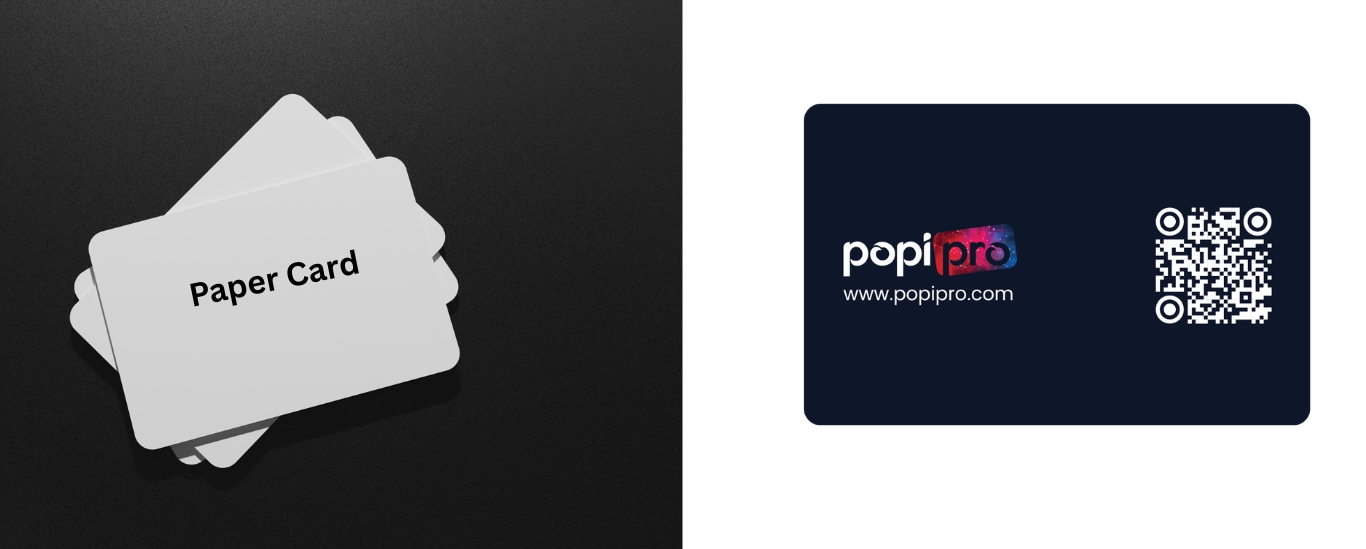
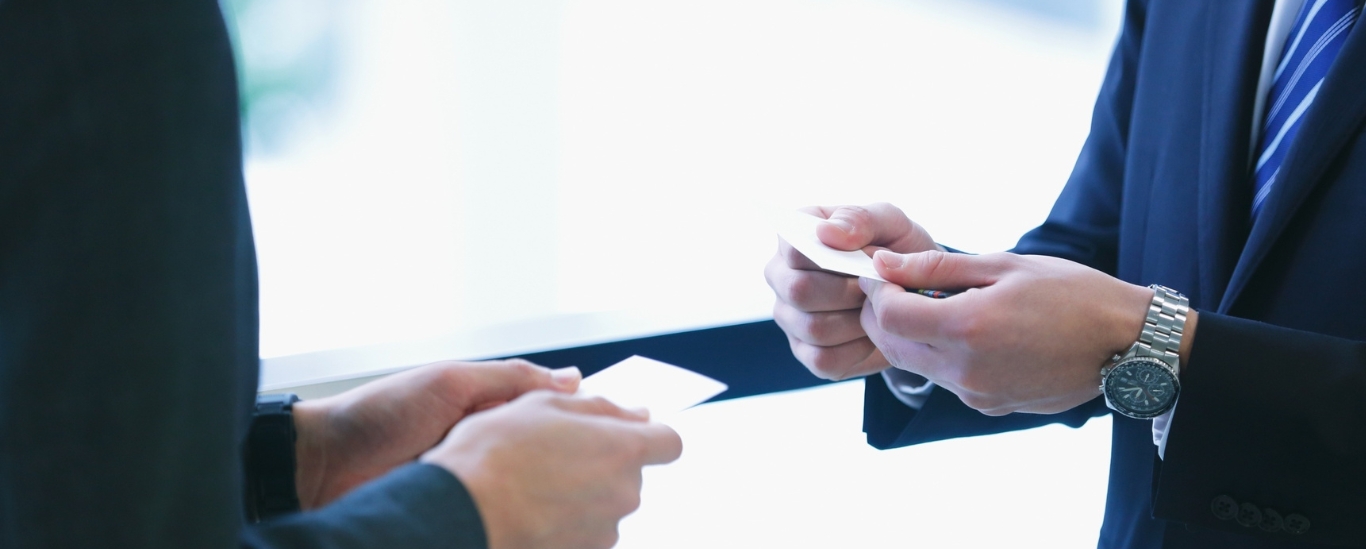
- Physical Business Cards: Conventional printed cards with your name, company information, contact information, and logo shown. They are material and frequently traded during gatherings or festivals.
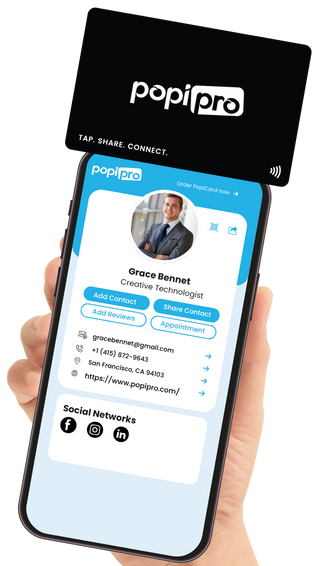
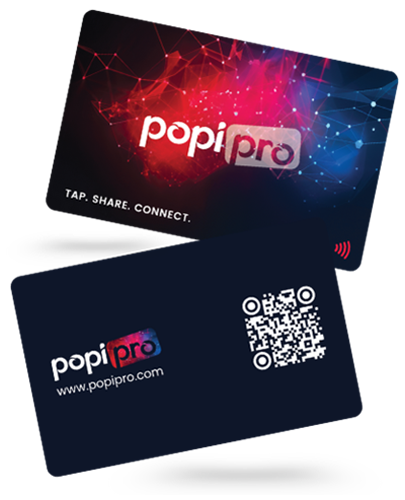
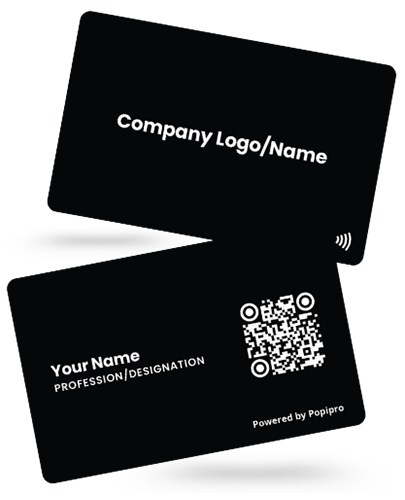
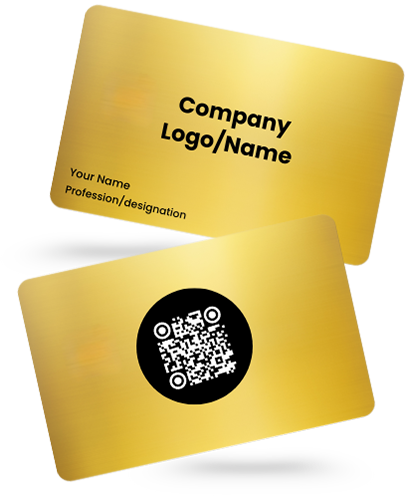
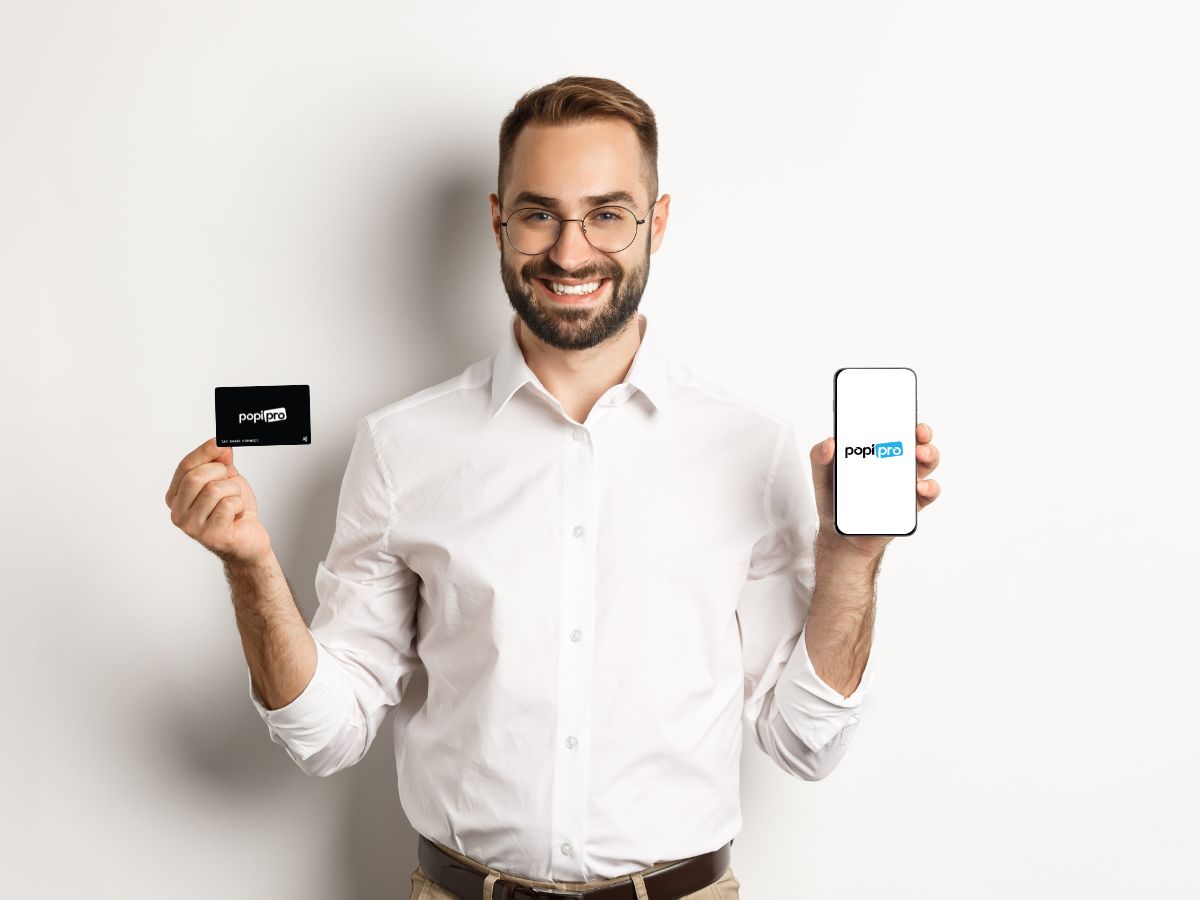
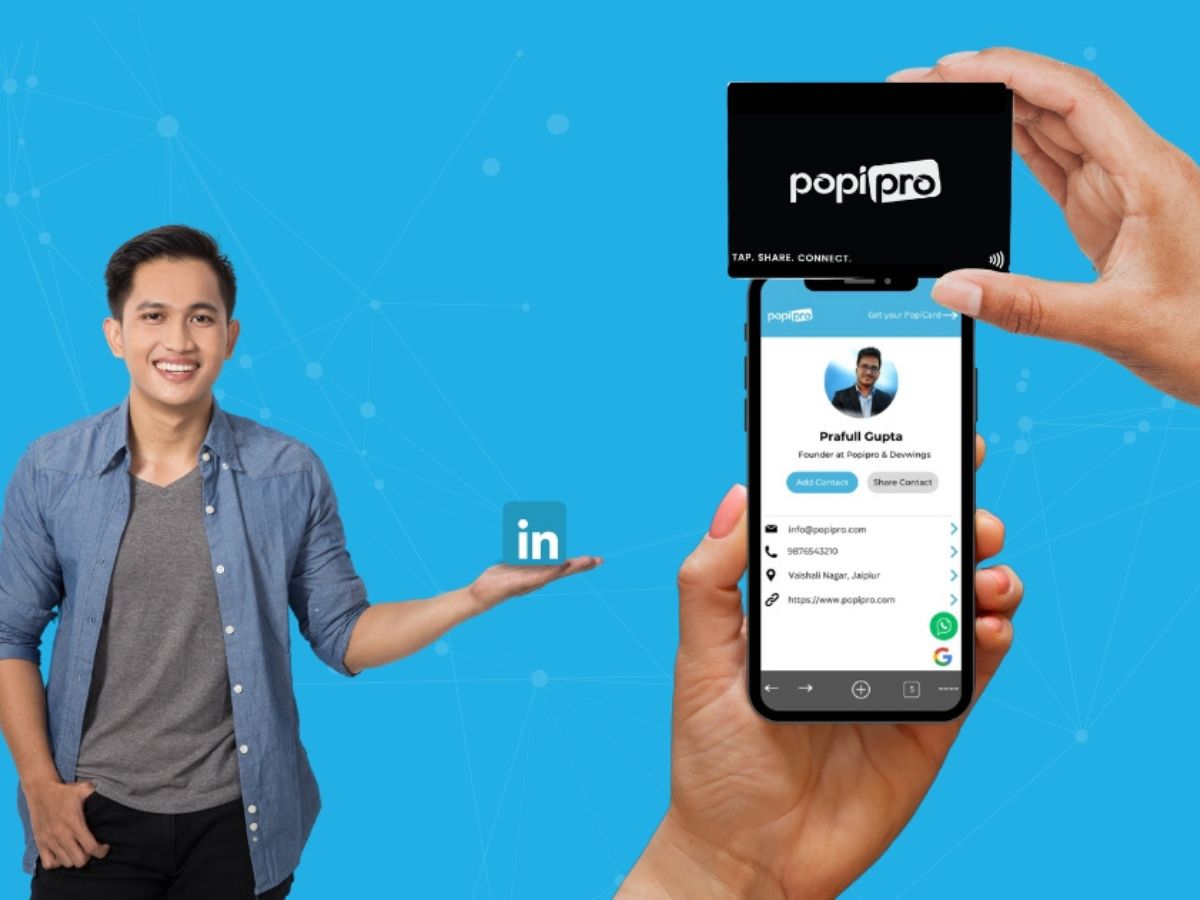
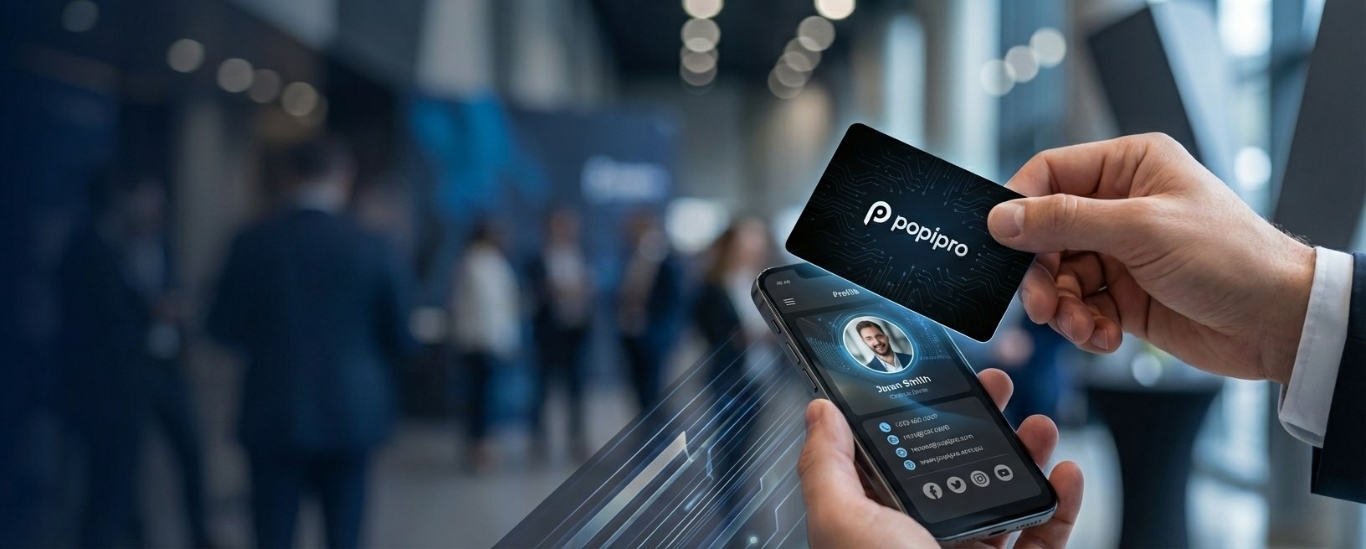
- Digital business cards are electronic cards sent using URLs, NFC, or QR codes. They keep track of social media links, contact information, and other multimedia components. They are available on desktops and cellphones and provide a cutting-edge experience.
Advantages of Physical Business Cards
1. Tangible Relationship
Having an actual business card adds a human element. A professional relationship is strengthened and a memorable experience is created when a card is exchanged during a talk.
2. Widely Accepted
Physical cards are convenient for any audience because they are widely understood and don’t require any special technology or equipment.
3. Opportunities for Creative Branding
Physical cards may successfully convey your company identity and leave a lasting impression whether they are made of premium materials, have embossed finishes, or have distinctive designs.
4. Accessibility Offline
Anyone may keep and utilize your business card; no equipment or internet connection is required.
Drawbacks of Physical Business Cards
1. Insufficient Details
Your ability to offer dynamic links or multimedia material is limited by the tiny card space.
2. Effects on the Environment
Making paper-based cards adds to waste and deforestation, particularly when the cards are thrown away or become outdated.
3. Expense Over Time
The cost of reordering physical cards for modifications, including updated contact information, can mount up.
Advantages of Digital Business Cards
Contemporary Remedies
Digital cards easily fit in with today’s technological developments. Dynamic methods to connect are provided by features including multimedia possibilities, NFC sharing, and QR codes.
Sustainability
Since digital business cards are completely paperless, they are environmentally friendly and support company sustainability objectives.
Unrestricted Exchange of Information
Digital cards, as opposed to physical ones, have the ability to hold links to portfolios, social media accounts, and even promotional videos.
Accessibility and Convenience
You no longer need to carry around stacks of real cards because digital cards are constantly available on your smartphone. Additionally, they are simple to update, guaranteeing that your contacts always receive the most recent version of your information.
Economical
Since many digital card services are either free or have a one-time fee, they are ultimately more cost-effective.
Drawbacks of Digital Business Cards
1. Curve of Learning
Some users may find it difficult to share or receive digital cards because they need to be conversant with certain programs or technology.
2. Technology Dependency
For efficient sharing and viewing, digital cards need devices and internet connectivity, which restricts their use offline.
3. Impersonal Contact
Compared to a digital exchange, some professionals believe that trading a real card fosters a closer human bond.
Head-to-Head Comparison
| Feature | Physical Business Cards | Digital Business Cards |
| Ease of Sharing | Simple, quick | Requires tech familiarity |
| Customization | Limited | Highly customizable |
| Environmental Impact | Not eco-friendly | Sustainable |
| Information Capacity | Limited | Unlimited multimedia options |
| Cost | High over time | Cost-effective |
| Connectivity | Offline use | Requires devices and internet |
When to Choose Physical Business Cards
- For networking events where a physical exchange is valued, physical cards are perfect.
- professionals in more conventional fields, such as banking or law.
- circumstances in which the use of technology is not widespread.
When to Choose Digital Business Cards
Digital cards are best for:
- Tech-savvy individuals or companies.
- Businesses prioritizing sustainability and modern solutions.
- Professionals frequently updating their contact details or portfolios.
Can You Use Both?
Absolutely! Many professionals are adopting a hybrid approach, carrying a few physical cards for traditional interactions while leveraging digital business cards for tech-friendly audiences. This strategy ensures versatility and wider reach.
Why Digital Business Cards Are the Future
Digital business cards align with today’s need for efficiency, connectivity, and eco-consciousness. As industries shift towards paperless solutions, digital cards offer endless possibilities for personalization and global reach. With features like tracking, integration with CRMs, and ease of sharing, they represent a step forward in modern networking.
Conclusion
Both digital and physical business cards have unique advantages and drawbacks. While physical cards offer a classic and tangible way to connect, digital cards are paving the way for the future with their convenience, eco-friendliness, and adaptability. Ultimately, the best choice depends on your professional needs, industry, and personal preferences.
By combining the best of both worlds, you can ensure you’re always prepared to leave a lasting impression in any situation.